Dripping Springs gets its name from actual springs near the west end of Mercer Street. Local historical accounts credit Indiana “Nannie” Moss with choosing the name when the settlement needed a post office in 1857. The inspiration was water dripping from fern-covered limestone ledges.
I like that the answer is so literal. Before the name appeared on neighborhood entrances, restaurant menus, or real estate listings, it described something people could see in the landscape.
Shelby and I moved from Austin and bought our first home in Big Sky Ranch in March 2024. Learning the stories behind the place we chose to live matters to me. It helps turn familiar roads and buildings into something more than the route between home and our next appointment.
If you have wondered whether there really is a dripping spring, here is the story, along with a few ways to explore the history respectfully.
The name came from water, not a marketing idea
The Dripping Springs Visitors Bureau’s local history connects the name to the Moss family and the establishment of a post office. John Moss became the settlement’s first postmaster in 1857, and his wife Nannie is credited with naming the community after its dripping limestone ledges.
The bureau locates the springs near the west end of Mercer Street and notes the site’s earlier significance as a Tonkawa gathering place. That context matters: the place had a human history before its postal name.
For me, this is what makes the name worth remembering. It points back to a particular natural feature rather than an abstract idea of Hill Country living. You can explain it to a visiting friend in a sentence, then use it as the beginning of a much more interesting conversation.
A settlement, a post office, and a town plan are different milestones
Local histories mention several dates because they are describing different stages of the community’s development. A family arriving, a post office opening, and streets being laid out are not the same event.
The historical account identifies the Pound, Moss, and Wallace families with the settlement’s development in the 1850s. The National Register documentation for the downtown historic district records W. T. Chapman filing the townsite plat in 1881. Those milestones explain why someone can reference the community’s mid-nineteenth-century beginnings and also point to a later date in discussing the downtown layout.
I would be cautious about turning those different milestones into a competition over one simple “birthday.” The more useful question is what each date tells us. The post office helps explain the name. The town plan helps explain the shape of the commercial center. The surviving buildings help us connect both to the place we know today.
Mercer Street gives the story a setting
When someone is getting to know Dripping Springs, I think it is worth spending time away from the highway long enough to understand downtown’s smaller scale.
The official guide to Historic Mercer Street is a good place to start identifying the district and its local businesses. Rather than treating the street only as a place to shop or eat, look at how the buildings relate to one another. Notice the entrances, porches, materials, and signs of different periods of use.
You do not have to identify every architectural detail to appreciate that an older building carries a different kind of story from a newly built storefront. A business operating in a historic setting is part of the present-day town, while the building can still invite questions about what came before it.
I would keep a visit simple: read before you go, choose a manageable section to explore, and give yourself time to notice things. Use legal public access and parking. A historic appearance does not make a building open to visitors, and a shop’s opening hours are not a promise that the surrounding property is publicly accessible.
The Pound House offers another way into local history
The Pound House Farmstead and Museum describes its site as an 1854 farmstead on five acres. Its collection includes belongings from the Pound family, giving the museum a connection to the people who lived there rather than only a general depiction of the period.
For someone who prefers objects and places to a page of dates, that is a meaningful starting point. A household item can prompt questions that a timeline does not: How did people prepare food? What did daily work involve? What changed as technology reached the community?
The museum also provides learning resources about Dripping Springs history. I would use those to prepare for a visit or continue exploring afterward. Confirm current tour arrangements directly with the museum rather than relying on a schedule repeated in an older article.
For a family exploring the area, I would choose one question to investigate together rather than trying to memorize the entire timeline. For someone considering a move, learning from the organizations preserving local history is a thoughtful way to begin getting to know the community.
Can you visit the actual springs?
Yes, it is right off of Mercer Street currently.
What the name does not tell a homebuyer
Here is where local history and my work as a Dripping Springs REALTOR® meet: a town named for springs does not tell you how water is supplied to a particular house.
If you are buying here, identify the property’s actual water source and investigate that system. Do not assume a listing has a spring, dependable well production, or public water service because the address says Dripping Springs.
The same principle applies to setting. A downtown visit can help you understand one part of the community, but your experience of living here will depend on the actual property and your routine. My Dripping Springs neighborhood guides can help connect that broader interest in the town with the places you might live.
Questions about the name
Is Dripping Springs named after a real place?
Yes. Local historical sources connect the name to springs near the west end of Mercer Street, where water dripped from limestone ledges.
Who named Dripping Springs?
Local accounts credit Indiana “Nannie” Moss with choosing the name when the settlement established its post office in 1857.
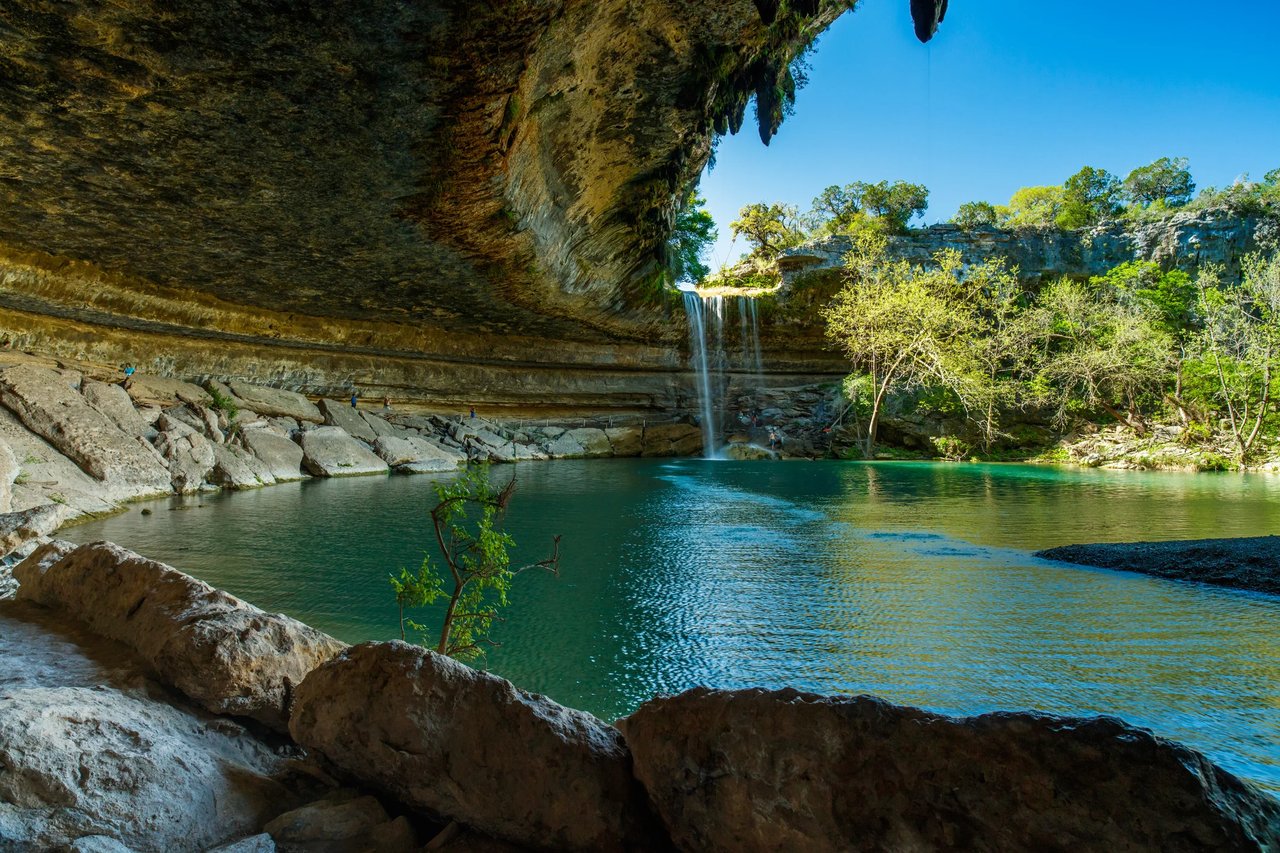
Is the spring the same thing as Hamilton Pool?
No. The town’s namesake described in the local history is near Mercer Street. Do not substitute a nearby swimming destination for the actual naming story.
Where should I start learning more?
Start with the visitors bureau’s history page and the Pound House’s resources. They provide a stronger foundation than a shortened social-media version of the story.
Part of feeling at home is learning to see the place you live with more attention. If you are exploring Dripping Springs, my Local Guide is there to help. And if that curiosity becomes a conversation about moving here, I would be glad to help you find a home that fits your life.