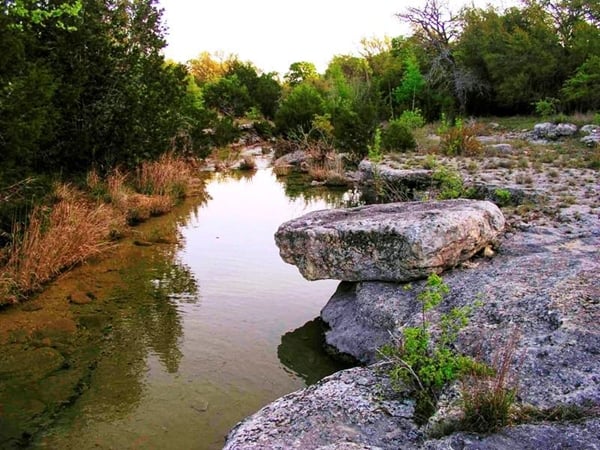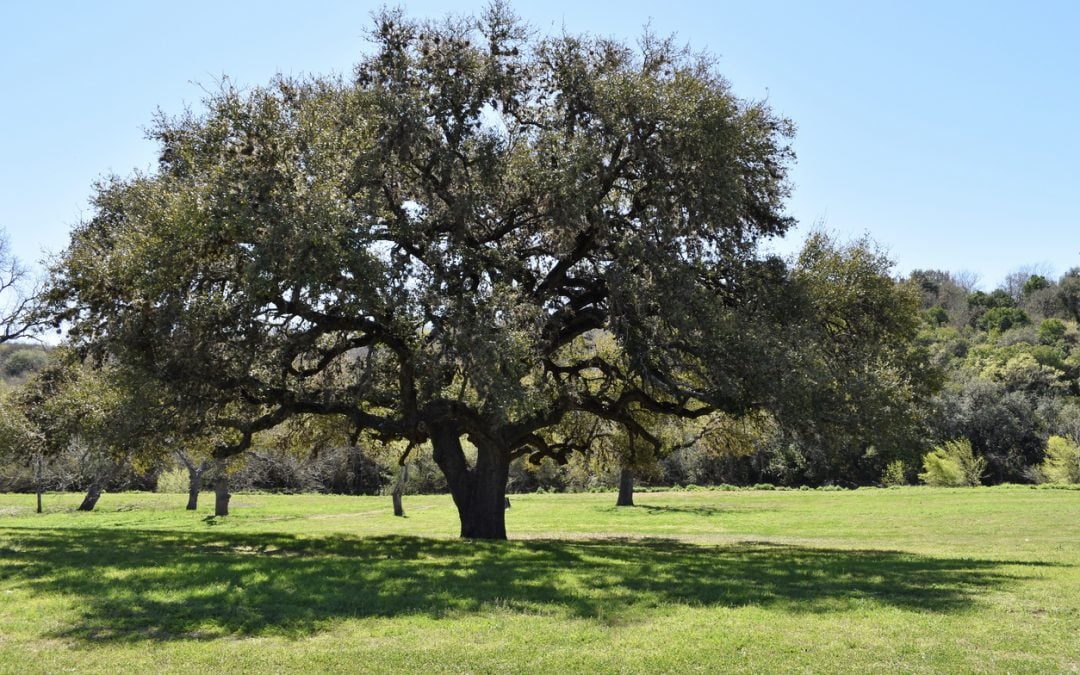
If mature oaks are a major reason you love a Hill Country property, I would make a qualified tree-health assessment part of the buying process. Ask about past tree loss, diagnosis and treatment records, nearby disease concerns, and how future construction could affect the trees you want to preserve.
Oak wilt deserves attention in Central Texas, but a declining tree is not something I would diagnose from a showing or a photograph. The right next step is informed evaluation, not an assumption that every brown leaf means disease.
As a Dripping Springs REALTOR® with Magnolia Realty Austin | Hill Country, I want buyers to understand the features they value and the care those features require. Mature trees are a good example. If they shape how a property feels to you, they belong in your due diligence alongside the house, access, and utilities.
Why I would give the trees their own review
A listing can make it easy to focus on the number of trees or the shade around a patio. I would also ask which trees are important to your plans and what is known about their condition.
Imagine choosing a homesite because of several oaks around the intended outdoor living area. If an arborist identifies a serious problem or a proposed driveway would conflict with tree protection, that could change the design and budget. It is better to learn that while you are still evaluating the purchase.
I would not attach a universal dollar value to each tree or promise a specific resale premium. The practical question is how tree condition affects this property, your intended use, and your willingness to take on its care.
My Dripping Springs area guide introduces the broader setting. A tree assessment brings that conversation down to the actual land you are considering.
Understand the basic concern
Texas A&M Forest Service explains that oak wilt is caused by a fungus that affects a tree’s water-conducting system. The disease can move above ground through insects carrying spores to fresh wounds, and below ground through connected roots.
That second pathway matters when considering groups of live oaks. A concern does not necessarily stop at a fence line or involve only the one tree that looks unhealthy during your visit.
The Forest Service’s oak-wilt prevention guidance recommends avoiding pruning or wounding oaks from February through June and immediately painting oak wounds regardless of season. Those are oak-wilt precautions, not a general instruction to apply the same treatment to every tree species.
I would keep the technical decisions with the arborist. The buyer’s responsibility is to notice when specialist input is needed and allow enough time to obtain it.
Ask for the property’s tree history
I would ask the seller for any available information about significant tree removals, unusual decline, professional diagnoses, treatment, or trenching. Request invoices, reports, and maps when they exist.
Useful questions include when the concern first appeared, who evaluated it, what work was recommended, and which trees were involved. If someone says the trees were “treated,” ask what that means. A general statement is less useful than a dated record identifying the work and its purpose.
Missing records do not establish that a property has a problem. They mean the evaluation must rely more heavily on current professional inspection and other available evidence.
I would also keep the discussion factual and respectful. Sellers may have cared for a property for years without knowing the technical name for every issue. A clear request for records is more productive than implying that uncertainty is concealment.
Have the right professional examine the pattern
The Texas Oak Wilt Partnership’s identification guidance describes the role of symptoms, patterns of tree mortality, and laboratory confirmation in diagnosis. It recommends consulting a trained expert when there is doubt.
That is why I would avoid making a purchase decision from a single leaf or an online comparison photo. The partnership’s discussion of diagnostic testing also notes that other causes, including drought or overwatering, can resemble oak-wilt symptoms.
Ask the professional what can be concluded from the visit, whether testing is appropriate, and what uncertainty remains. If sampling is needed, let the specialist guide how it is collected and interpreted. Build that work into the purchase timeline rather than expecting an immediate answer during a brief tour.
For help identifying an appropriate contact, use the Texas Oak Wilt Partnership’s assistance resources.
Separate individual-tree care from broader disease management
If oak wilt is identified, I would ask for a written explanation of the recommended approach and its limitations.
The Texas Oak Wilt Partnership’s integrated-management guide describes several tools, including preventing new infections, managing root connections, and treating selected trees. These approaches address different parts of the problem. A treatment applied to one tree should not be interpreted as a blanket guarantee for an entire property.
I would ask which trees are the priorities, what follow-up is needed, what work could involve neighboring land, and what costs are known. Get property-specific recommendations rather than ordering a generic treatment package based on acreage.
Some decisions can be time-sensitive. Others need careful coordination. A qualified professional should explain which is which and help you understand realistic expectations.
Bring future construction into the discussion
If you plan to build, remodel, add a driveway, install a pool, or clear land, show those plans to the tree professional before work begins.
I would ask the builder and arborist to agree on practical protection measures for the trees being retained. Where will equipment travel? Where will materials be stored? What excavation or utility work is proposed nearby? How will crews recognize protected areas?
The purpose is to make tree preservation a documented part of the plan, rather than an informal request made after machinery arrives. The specialist should determine appropriate measures for the species and site.
For a property with septic, coordinate the wastewater layout too. My Dripping Springs septic guide explains why the location and requirements of that system deserve attention. A property plan should consider the house, trees, access, and infrastructure together.
Think about firewood and ongoing care
Firewood is another reason to discuss oak-wilt prevention with the people caring for the property. The Texas Oak Wilt Partnership’s prevention FAQs address pruning, wound protection, and precautions for handling wood.
I would ask any tree contractor how they handle suspect material and what they recommend for your site. Avoid moving potentially infected wood based on the assumption that it looks dry enough or that cutting it into smaller pieces resolves the concern.
After purchase, keep a simple property record. Save reports and invoices, note which trees were evaluated, and retain dated photographs that help a professional understand changes over time. This also gives a future owner something more useful than a vague recollection.
Use the findings to make a balanced decision
A tree issue does not automatically mean you should walk away from a property. It also should not be dismissed because the house is appealing.
I would consider the specialist’s findings, likely costs, remaining uncertainty, and how central those trees are to your reasons for buying. Ask whether the proposed home or outdoor plan still works if some trees cannot be retained.
If the answer changes your budget or your enthusiasm, that is useful information. The goal of due diligence is to understand the property well enough to make a decision you can live with.
Questions about oaks and property purchases
Does a green canopy prove there is no oak wilt?
No. A visual impression at one moment is not a guarantee. Ask a qualified professional what the available evidence does and does not establish.
Should I remove every tree that looks unhealthy?
I would get a diagnosis and safety assessment first. Species, cause of decline, location, and the recommended management approach matter.
Can I rely on a general home inspection for this?
Ask what the inspection covers. When mature-tree health is important to the decision, I would arrange a qualified tree assessment rather than assume it is included.
Is fall a good time to think about tree care?
It is a useful time to plan ahead, review records, and arrange an assessment. Any actual pruning or treatment should follow current professional guidance for the trees and conditions involved.
If you are considering a wooded property near Dripping Springs, I would be glad to help you organize the right questions before closing. Learn more about working with me and let’s look at the whole property, including the features that made you love it in the first place.