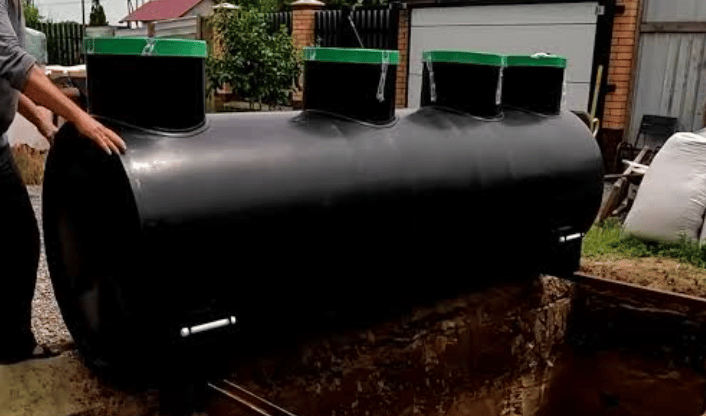
What the Heck Is a Septic System? A Hill Country Homebuyer’s Guide
The underground part of the property deserves a place on your homebuying checklist.
You come out to look at a Hill Country home because of the trees, the space, and the back porch.
Then somebody mentions the septic system, and suddenly the conversation gets less scenic.
I get it. Most people do not start a home search hoping to develop opinions about wastewater treatment. But if you are buying a home with septic in Dripping Springs or the surrounding Hill Country, understanding the system is part of understanding the property.
A septic system treats and disperses wastewater on or near the property instead of sending it through a centralized sewer network. Before buying, I would identify the system, obtain its records, arrange an appropriate professional evaluation, and understand both maintenance and limits on future improvements.
The phrase “it has septic” is the beginning of the conversation. It is not enough information to decide whether the property fits your plans.
What happens after the water leaves the house?
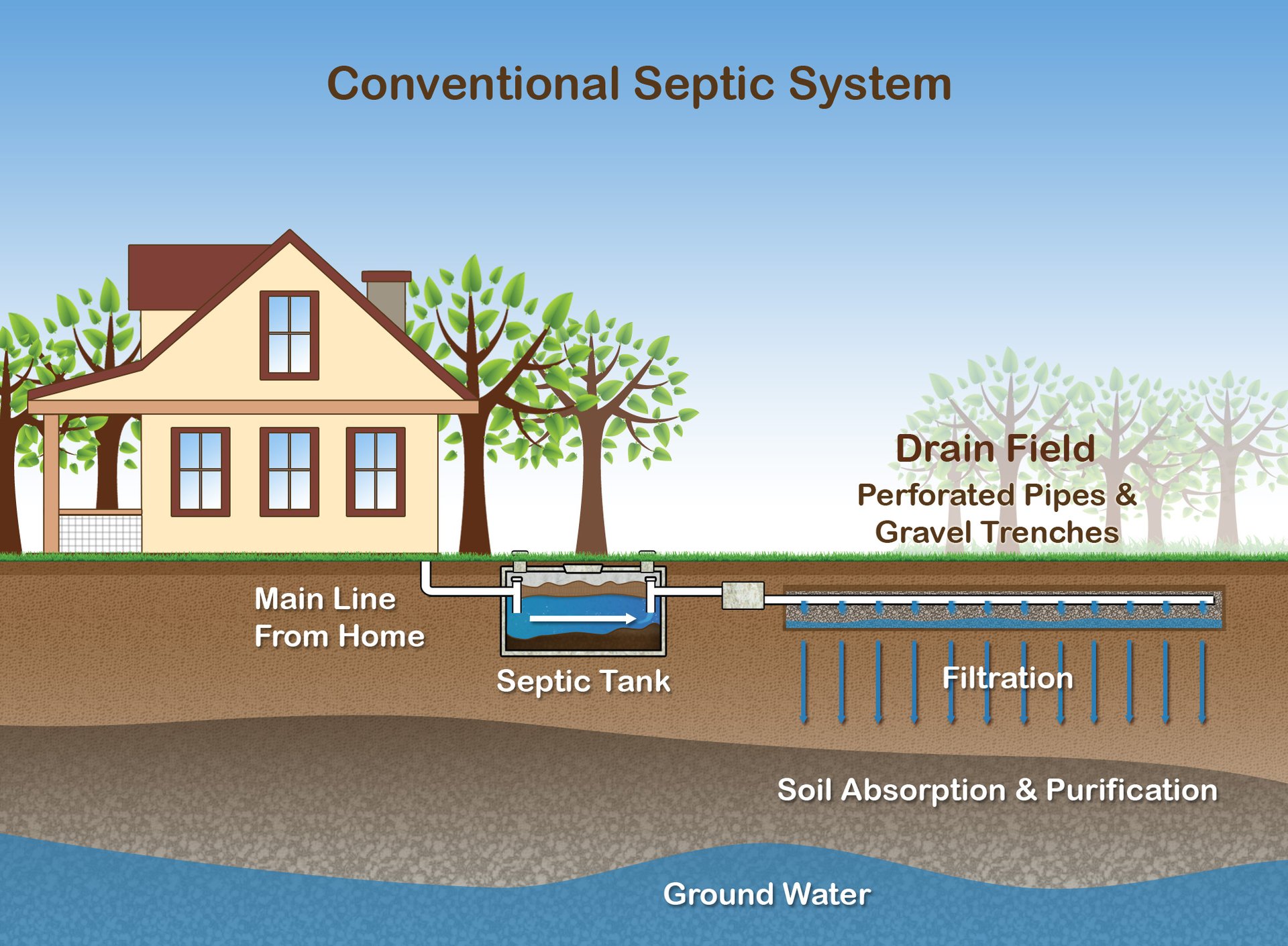
In a typical conventional system, wastewater flows into a buried tank. Solids settle, lighter material rises, and liquid effluent moves into a drainfield, where the soil plays a role in further treatment and dispersal. The tank and the disposal area work together.
The EPA’s explanation of how septic systems work is a useful visual introduction. The practical takeaway is that the system extends beyond the lid you can see in the yard. A large, apparently empty area may be doing an important job underground.
That matters when a buyer looks across the lawn and says, “This would be a great place for a shop.” Maybe it would. First, I want to know what is already there.
Conventional and aerobic septic are not the same thing
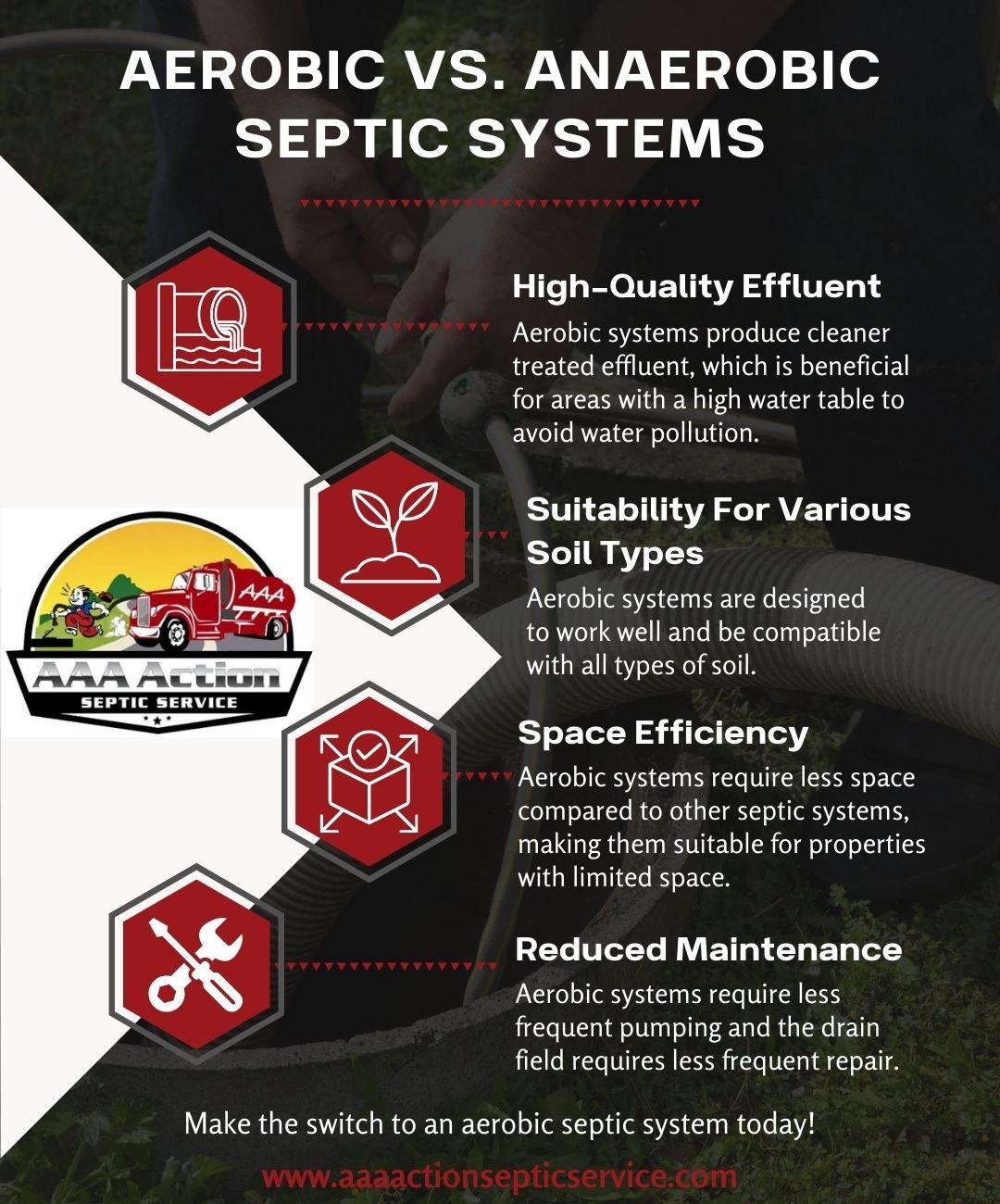
Conventional systems generally use a septic tank with subsurface treatment and dispersal. An aerobic treatment unit adds oxygen to support treatment processes and includes mechanical components that need ongoing attention. The EPA’s guide to septic system types explains these and other designs.
“Aerobic” identifies a treatment approach, not every detail of the disposal method. I would ask a professional to identify how the specific system treats wastewater and where the treated effluent goes.
Question | Why I ask it |
|---|---|
What treatment and disposal methods are installed? | They help define the equipment, service needs, and land-use constraints. |
What capacity and use were approved? | The existing installation needs to be evaluated against the home and intended use. |
Where are all the components? | The tanks alone do not show the entire system footprint. |
Who has serviced it? | Records and a knowledgeable provider can clarify its condition and history. |
What responsibilities transfer to the buyer? | I want the ownership plan established before move-in. |
I would never choose a preferred septic type in the abstract and assume it works on every lot. TCEQ’s system-selection guidance ties suitability to site conditions and professional evaluation. Soil, slope, space, and other conditions affect the options.
Start with the records, not reassurance
A seller may have had an uneventful experience with the system. That is useful background. I would still ask for documents.
My starting list would include the permit or approval records, approved site plan, system design information, maintenance reports, pumping invoices, repair invoices, and available equipment information. I would ask whether the house has been expanded or its use changed since the system was approved.
I would then compare the records to what is physically present. Does the plan correspond to the current layout? Are access points identifiable? Is an addition shown? Do the service records explain the equipment you can see?
For local permitting, Hays County’s septic-permit page says permits are required regardless of lot acreage within its jurisdiction. It also identifies ongoing maintenance requirements for aerobic and advanced-treatment systems. I would confirm the authority and requirements for the specific property.
Having more land does not remove the need to understand the system.
Arrange the right evaluation before your deadlines
I would ask the general home inspector exactly what is included in their scope and arrange a qualified septic professional where additional evaluation is needed. Do not assume one appointment covers everything.
The questions I want the specialist to answer are practical: what equipment is present, what can be evaluated, what limitations remain, what maintenance is due, and what repairs or further testing they recommend. If access or pumping is needed, coordinate that with the provider and seller rather than making assumptions.
TCEQ’s guidance for septic owners and buyers distinguishes a real estate transaction evaluation from its own regulatory role. A transaction inspection is not a government guarantee of future performance.
From the real estate side, I want this work scheduled early enough that you can understand the findings while your applicable contractual options remain available. A detailed report delivered after an important deadline has passed is far less useful.
The septic layout can change your pool, barn, and guest-house plans
This is the part of the conversation I would bring forward if you are buying acreage for a future project.
I would want the system’s location considered alongside the survey, easements, setbacks, topography, and any other applicable restrictions. TCEQ cautions owners against building or driving over the system. That includes treating the disposal area as vacant space available for a driveway or patio.
If a guest house or bedroom addition is part of your plan, ask the permitting authority and a qualified designer whether the existing approval and capacity support it. Do not infer that a system can handle another dwelling simply because the tract has room for one.
I would write down your intended improvements before we evaluate the property. “We want a house with land” is broad. “We want a house, a workshop, and space for a future casita” gives us something concrete to investigate.
What does septic ownership cost?
I would build a property-specific budget rather than promise one annual number. The system type, equipment, condition, service arrangement, and household use all affect ownership costs.
Ask for current quotes covering routine service, pumping when needed, and any identified repairs. For a mechanically operated system, ask what electrical and replacement-component expenses should be anticipated. Ask the provider which tasks the owner performs and which require professional service.
Then separate ordinary maintenance from a reserve for eventual repair or replacement. I would use the same approach with a roof or HVAC system: knowing the recurring bill is helpful, but it does not describe the entire ownership obligation.
A statement that a system is “working” should not be treated as a lifespan estimate. I would want the professional’s findings and the maintenance history before assigning value to that reassurance.
The habits that help protect the system
The EPA’s septic-care guidance emphasizes sensible water use, appropriate waste disposal, routine service, and protection of the drainfield. Spread out heavy water use, address leaks, keep grease and inappropriate materials out of drains, and avoid parking over the disposal area.
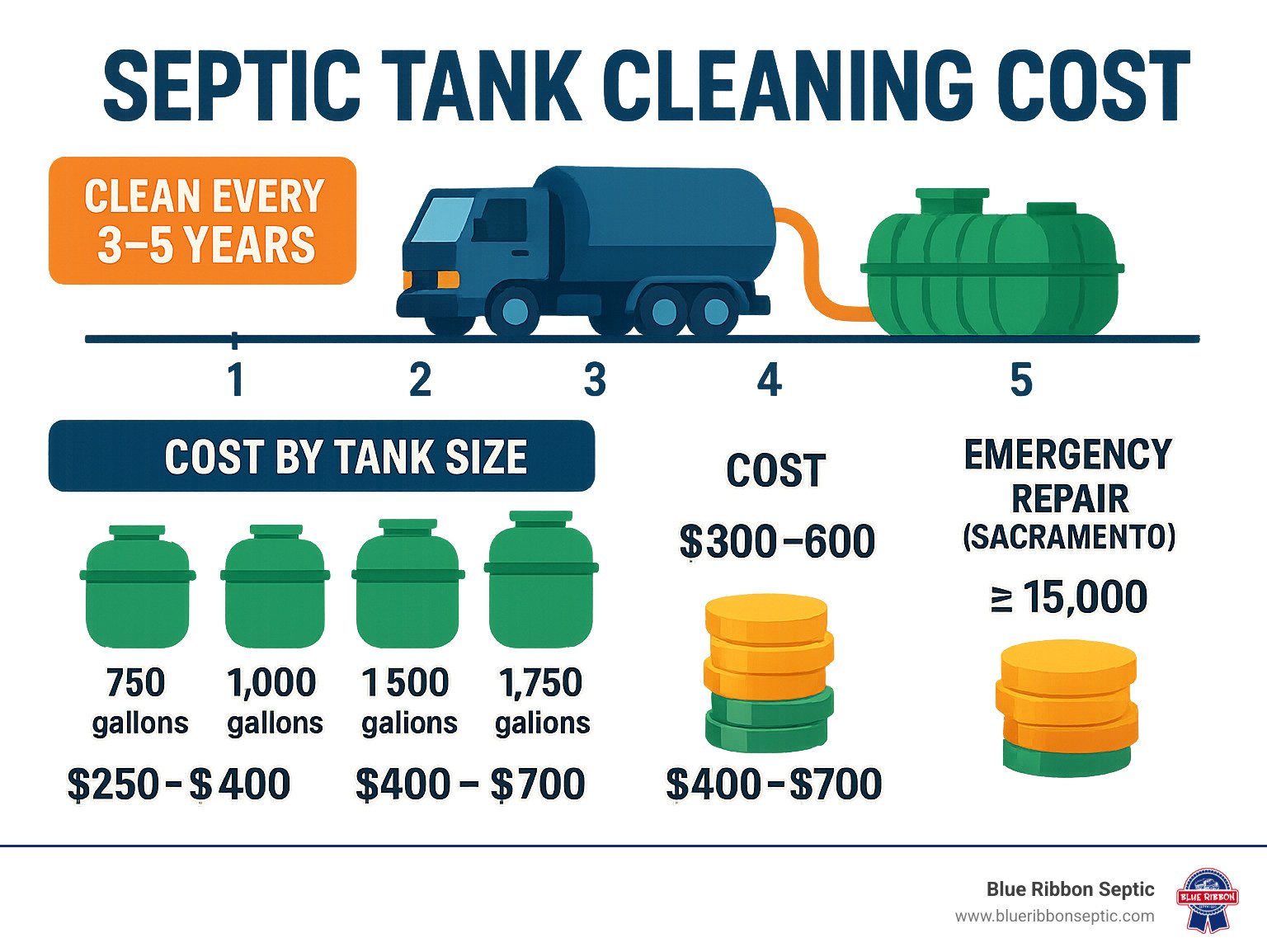
The EPA gives three to five years as a typical household pumping interval, but actual needs depend on the system and use. Mechanical or alternative systems may need more frequent attention, and local requirements can be more specific. Follow the applicable local rules and your provider’s system-specific plan.
After closing, I would want you to know who to call, where the records are, what alarms mean for your equipment, and when the next service is due. TCEQ also advises a new owner to notify the local permitting authority and ask about appropriate startup procedures.
My septic questions before buying a Hill Country home
- What system is installed, and where is the complete approved layout?
- Do the records match the existing home and improvements?
- What did the independent evaluation find?
- What could not be evaluated, and what additional work is needed?
- Are maintenance obligations current, and what will I need to arrange?
- What will routine service and identified repairs cost?
- Can my future pool, shop, or guest-house plans coexist with the system?
Septic system FAQs for Dripping Springs buyers
Does septic mean the property also has a well?
No. Water supply and wastewater disposal are separate questions. I would verify each independently.
Should I avoid every home with septic?
I would evaluate the specific system and property. Records, condition, professional findings, costs, and fit with your plans matter more than the label.
Does pumping prove the whole system is in good condition?
Pumping addresses accumulated material in the tank. It does not by itself answer every question about treatment equipment, disposal areas, approvals, or future capacity.
Can I put a building over the drainfield?
Do not plan on it. Have the complete system footprint and applicable restrictions reviewed before choosing an improvement location.
If you are comparing different ways to live around Dripping Springs, start with my local neighborhood guides. And if you have found a Hill Country property you love, let’s look at the whole property together, including the parts that will never appear in a beautiful listing photo.
Kent Broom | Dripping Springs REALTOR®
Magnolia Realty Austin | Hill Country
KentBroomDrippingSprings.com