Is Dripping Springs a Good Place to Live? An Honest Local's Guide
Yes.
For a lot of people, Dripping Springs is a genuinely great place to live.
But I don't think the honest answer stops there.
I've noticed that when people ask whether Dripping Springs is a good place to live, they usually aren't looking for a sales pitch. They want to know what everyday life is actually like.
Is it good for families?
Is there anything to do?
How far is Austin?
What are the neighborhoods like?
Are the schools actually good?
What about traffic, water, growth, and housing costs?
And maybe most importantly, does Dripping Springs still feel like a community as it continues to grow?
I live here with my wife, Shelby, and I work in real estate throughout the area. So I have an obvious connection to Dripping Springs, and I'd rather acknowledge that than pretend otherwise.
My goal with this guide is simple: give you an honest look at what living here is actually like, including the reasons people love it and the tradeoffs you should understand before moving.
The Short Answer: Yes, But It Depends on What You Want
Dripping Springs offers a combination that is getting harder to find.
You can be close enough to Austin for work, concerts, restaurants, the airport and everything else the city offers, while still having more space, Hill Country scenery and a stronger sense of community.
You can live in a master-planned neighborhood with pools and trails.
You can live on acreage.
You can build a custom home.
You can live close to Mercer Street and downtown.
You can spend a Saturday hiking, grabbing lunch, visiting a brewery and being home before dinner.
And you can still run into people you know around town.
That doesn't mean Dripping Springs is perfect.
Growth has brought more traffic, more construction, more development and more pressure on infrastructure.
Housing is not inexpensive.
Some parts of the area are much more rural than people expect.
And if you commute into Austin every day, you should experience the drive yourself before deciding where to buy.
For the right person, though, those tradeoffs can be worth it.
What Is Dripping Springs Actually Like?
The easiest way I describe it is this:
Dripping Springs gives you more room without putting you completely out of reach of Austin.
The city itself is growing rapidly, but the broader 78620 area is much larger than the city limits.
That distinction matters.
When people say they're moving to Dripping Springs, they are often talking about the surrounding Hill Country communities, neighborhoods, acreage properties and areas served by Dripping Springs ISD.
You can get a much better feel for the area by exploring my full Dripping Springs local guide, which goes deeper into what it is actually like to live here.
The area has its own restaurants, coffee shops, breweries, wineries, distilleries, parks, schools, churches, youth sports and community events.
It doesn't simply feel like another Austin suburb.
That local identity is one of the biggest reasons people choose to stay.
Why Are People Moving to Dripping Springs?
There isn't one answer.
For some people, it's the schools.
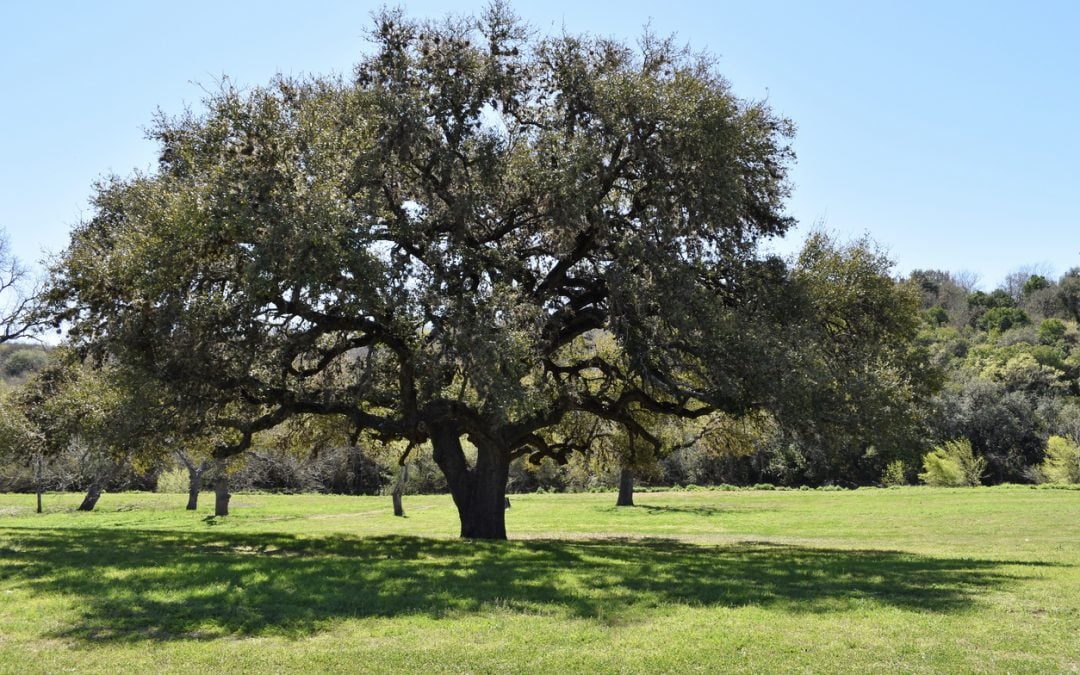
For others, it is the Hill Country.
For some, it's the ability to buy more land than they could afford closer to central Austin.
For others, it is simply wanting to raise a family somewhere that feels a little less hectic.
And increasingly, people are moving here because they want a different lifestyle without giving up access to Austin.
A lot of my clients are coming from Austin, Dallas, Houston or out of state.
If that's you, I've put together a more detailed relocation guide to Dripping Springs that covers neighborhoods, schools, restaurants, recreation and the practical side of making the move.
Is Dripping Springs Good for Families?
Yes.
This is probably one of the biggest reasons families move here.
Dripping Springs ISD has grown substantially over the past decade, and the district now serves roughly 8,800 students.
The district's growth has also brought major investment in new campuses and facilities.
A second comprehensive high school, Driftwood Springs High School, is currently under construction and is planned to open for the 2028-29 school year.
If schools are a major part of your decision, I recommend reading my full 2026 guide to Dripping Springs ISD rather than relying on a generic school-rating website.
There is also a lot happening outside the classroom.
Families spend weekends at parks, youth sports, community events, breweries and restaurants with outdoor space.
I wrote more about this in Is Dripping Springs Good For Those Who Have Kids and Still Want a Social Life?.
That's one of the things I think people underestimate before moving here.
Having kids does not necessarily mean giving up your social life.
Is There Anything to Do in Dripping Springs?
Absolutely.
And this is another area where the town has changed.
There is much more to do here than there was even a few years ago.
Mercer Street gives you the historic downtown experience.
Fitzhugh Road has become a destination for breweries, wineries, distilleries and restaurants.
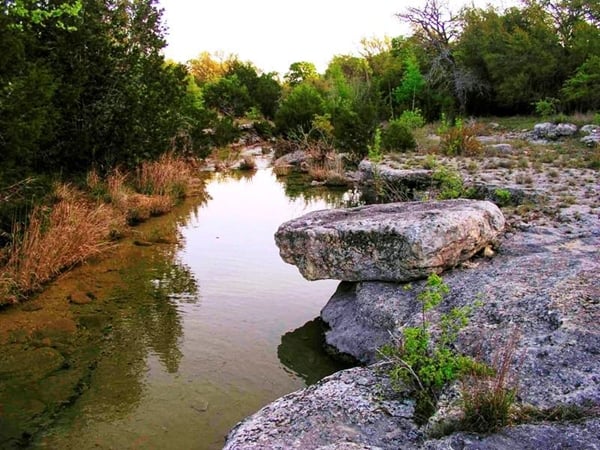
The surrounding Hill Country provides hiking, swimming, cycling, fishing, camping and other outdoor activities.
You also have destinations such as Hamilton Pool Preserve, Pedernales Falls State Park and Milton Reimers Ranch Park within the broader area.
I've put together a much more detailed guide to the best things to do in Dripping Springs, including swimming holes, parks, Mercer Street, breweries, events and what I would actually recommend doing if you're visiting for the first time.
And if you're considering moving here, I think visiting on a normal Saturday is more useful than simply driving through on a Tuesday afternoon.
Go to breakfast.
Walk Mercer.
Visit a neighborhood.
Grab lunch.
Drive Fitzhugh.
Stop somewhere for a drink.
See what traffic looks like.
Then ask yourself whether you could picture doing that every weekend.
What Are the Neighborhoods Like?
This is where Dripping Springs gets particularly interesting.
There is no single "Dripping Springs lifestyle."
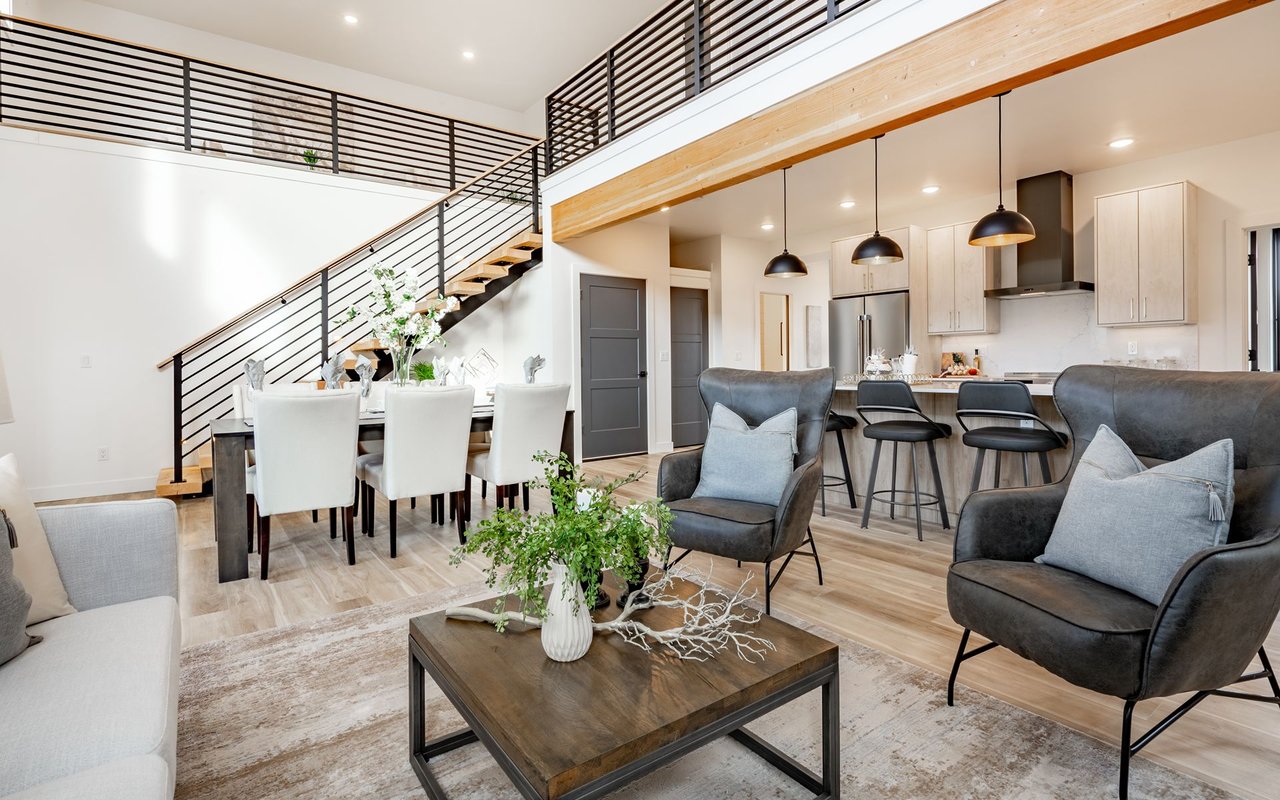
You can live in a neighborhood with hundreds of homes and extensive amenities.
You can live in a smaller established neighborhood with mature trees.
You can own several acres.
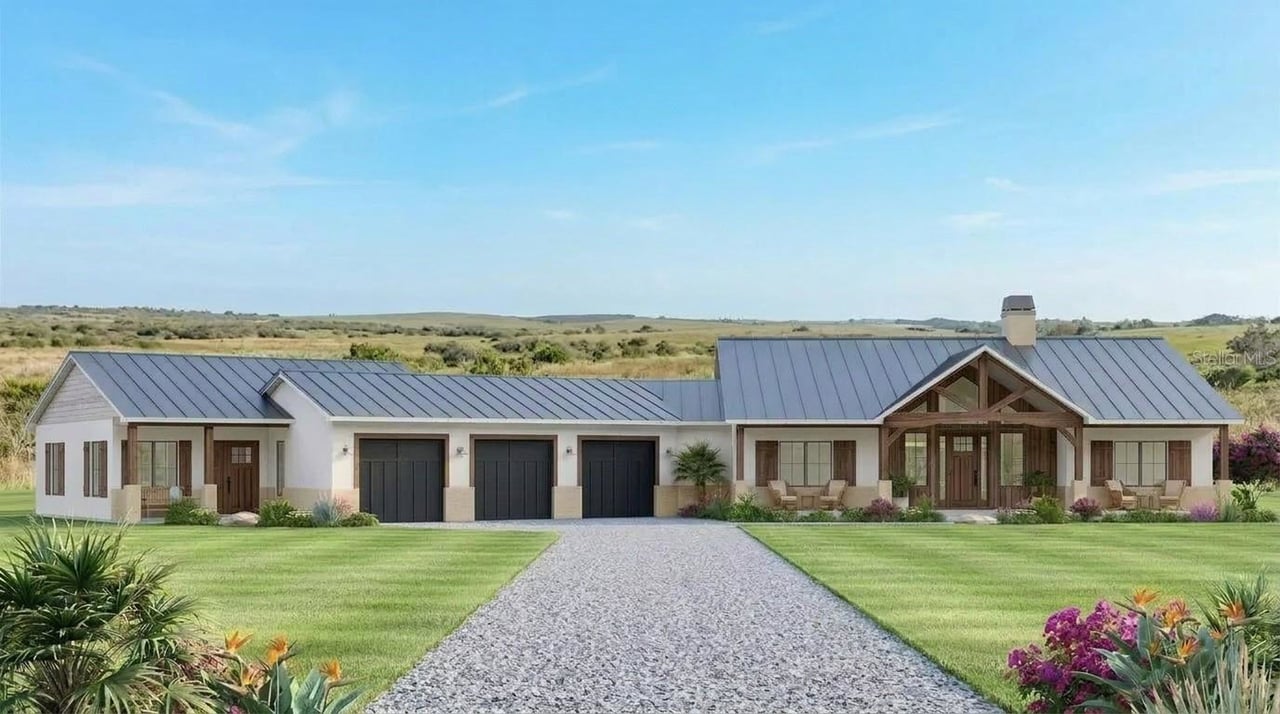
You can build a custom home.
You can live closer to downtown.
Or you can move farther into the Hill Country and trade convenience for privacy and land.
My Dripping Springs neighborhoods guide gives you an overview of the major communities in the area.
Some of the neighborhoods I frequently discuss with buyers include:
Big Sky Ranch
A growing master-planned community with new construction and a location that puts you close to central Dripping Springs.
Caliterra
One of the area's most established master-planned communities, known for its trails, amenities and Hill Country setting.
Headwaters
A centrally located community with extensive amenities and a mix of new and established homes.
Heritage
A popular community with newer homes, amenities and convenient access to Dripping Springs.
Belterra
Located closer to Austin, Belterra can be appealing for buyers who want a Dripping Springs address while keeping a shorter commute toward the city.
Cannon Ranch
A newer community that gives buyers another option in the growing Dripping Springs area.
Founders Ridge
A community worth considering for buyers who want newer construction and proximity to the core of Dripping Springs.
Bunker Ranch
A larger-lot community that offers a different feel from the area's more traditional master-planned neighborhoods.
Howard Ranch
A more established Hill Country option that can appeal to buyers looking for larger lots and a different setting.
The important thing is that these communities can feel very different even when they are only a few miles apart.
That is why I don't think buyers should choose a Dripping Springs house before choosing the type of lifestyle they want.
What About New Construction?
New construction is a huge part of the Dripping Springs market.
If you're moving here from another city, this is particularly important because you may be comparing resale homes against brand-new homes with builder incentives, warranties and different financing options.
I have a dedicated Dripping Springs new construction guide that goes deeper into what buyers should understand before purchasing from a builder.
New construction can be a great fit.
It can also create some situations buyers don't expect.
Builder incentives can change.
HOA and PID or MUD costs can vary.
Completion timelines can move.
Different builders offer very different levels of customization.
And two communities that look similar online can feel completely different once you actually walk them.
That is why I encourage buyers to compare the entire picture, not just the advertised price.
What About Acreage and Ranch Property?
This is one of the things that separates Dripping Springs from many Austin suburbs.
You can still find properties with meaningful acreage.
For some buyers, that is the entire reason for the move.
More land.
More privacy.
Room for a workshop.
A pool.
A guest house.
Animals.
Views.
Or simply enough space that your neighbors aren't right outside your window.
But acreage ownership comes with a different set of considerations.
Water.
Septic.
Road access.
Fencing.
Property taxes.
Ag exemptions.
Restrictions.
Maintenance.
Internet.
Insurance.
And sometimes wells.
If your dream is a few acres rather than a neighborhood lot, don't treat the purchase like a standard suburban transaction.
The property itself is only part of the equation.
Is Dripping Springs Close to Austin?
This is one of the biggest questions I tell people to answer for themselves.
On a map, Dripping Springs looks close to Austin.
And it is.
But "close" depends heavily on where you're going and when you're driving.
Downtown Austin is roughly 25 miles away.
A weekend drive can be easy.
A weekday commute on US 290 can be a very different experience.
The Oak Hill area has undergone major transportation improvements, and TxDOT is also studying additional improvements along US 290 between Oak Hill and Dripping Springs.
That makes transportation an important part of the area's future.
But I would not make a home-buying decision based on what a future road project might eventually look like.
Drive the commute yourself.
If you work downtown, drive downtown at the time you'd normally leave for work.
If you work in Southwest Austin, test that route.
If you work remotely, your calculation is obviously different.
This is one of those decisions where five minutes of firsthand experience is worth more than twenty articles.
What About the Cost of Living?
This is where I'd tell you to slow down.
Dripping Springs is not a cheap alternative to Austin.
Housing costs vary substantially depending on neighborhood, lot size, age, construction and location.
And the broader 78620 market includes everything from production homes to custom houses on acreage, so a single median price doesn't tell the whole story.
You also need to look beyond the purchase price.
Consider:
- Property taxes
- HOA fees
- PID or MUD fees where applicable
- Home insurance
- Maintenance
- Well and septic costs where applicable
- Commute costs
- Future improvements
- New construction incentives
- Resale competition
If you're buying, I recommend looking at the specific neighborhood and property rather than trying to make a decision based on a single "average Dripping Springs home price."
The market is segmented.
A new construction home in one community can behave very differently from a resale home on acreage five miles away.
You can explore current Dripping Springs homes for sale to get a feel for that range.
What About Water?
This is one of the less glamorous parts of living in the Hill Country, but it matters.
Water availability and restrictions can vary depending on who provides your water.
Some properties are connected to a utility district.
Others rely on wells.
Some neighborhoods have different infrastructure and water arrangements.
And drought conditions can lead to watering restrictions.
If you're buying here, I would absolutely want to know:
Who supplies the water?
What are the current restrictions?
Is the property on a well?
What is the well history?
What happens during drought conditions?
These aren't questions to save for after you make an offer.
They belong in the initial due diligence conversation.
Is Dripping Springs Still a Small Town?
This is probably the hardest question to answer.
In some ways, yes.
In other ways, definitely not.
The population has grown rapidly.
The school district has grown.
New neighborhoods are being built.
New businesses are opening.
Traffic is increasing.
The landscape around Highway 290 looks different than it did ten or fifteen years ago.
But there is still a community here.
People show up for Founders Day.
They go to Friday night football games.
They shop locally.
They see each other at restaurants and coffee shops.
They support local businesses.
They gather at community events.
That is one reason I think the question isn't really whether Dripping Springs is still a small town.
The better question is whether it still feels like a community.
For me, the answer is yes.
What Are the Downsides of Living in Dripping Springs?
If you're seriously considering moving here, I think you should know the negatives too.
Growth
Growth is everywhere.
That means more restaurants, more services and more housing options.
It also means construction, traffic and infrastructure challenges.
Commute
US 290 can be frustrating during peak periods.
If you commute into Austin every day, test the drive before buying.
Housing Costs
You are paying a premium for the combination of location, schools, Hill Country setting and demand.
Water and Infrastructure
These are real considerations in the Hill Country.
They should be part of your due diligence, especially with acreage.
Development
If you fell in love with Dripping Springs because it felt untouched, you should understand that the area is changing.
Some people welcome that.
Others don't.
Neither reaction is inherently right or wrong.
It comes down to what you're looking for.
So, Who Is Dripping Springs Really a Good Fit For?
I think Dripping Springs makes a lot of sense for people who want:
- More space than they can typically get closer to central Austin
- Access to the Hill Country
- A strong community atmosphere
- Good schools
- Outdoor recreation
- Local restaurants and businesses
- New construction options
- Acreage and larger properties
- A family-oriented environment
- Reasonable access to Austin
- A place where people tend to know their neighbors
It may be less appealing if you want:
- A highly walkable urban environment
- A short commute to downtown Austin every day
- Dense nightlife
- Public transportation
- The lowest possible housing costs
- Minimal development and growth
That's why I always tell people not to fall in love with Dripping Springs from a two-hour visit.
Come spend a weekend here.
Drive the commute.
Visit the neighborhoods.
Go to the grocery store.
Eat somewhere local.
Talk to people.
Then decide.
What I Would Do If I Were Moving to Dripping Springs
I'd start with lifestyle, not listings.
First, I'd figure out what part of the area makes sense for my daily routine.
Then I'd narrow down neighborhoods.
Then I'd compare resale versus new construction.
Then I'd look at schools if I had children.
Then I'd investigate taxes, utilities, water and HOA or development fees.
Only after that would I start comparing individual houses.
That's essentially the process I walk buyers through.
If you're buying, you can learn more about how I approach the process on my buyers page.
And if you're already living here and thinking about selling, the same local knowledge matters in a different way. Buyers aren't just purchasing a house. They're buying into a neighborhood, a school district and a lifestyle.
That's why I believe every home deserves exceptional marketing, particularly in a market where buyers have more choices.
Final Answer: Is Dripping Springs a Good Place to Live?
Yes.
I think Dripping Springs is a great place to live for people who want the Hill Country lifestyle without completely giving up access to Austin.
But I don't think everyone should move here.
The area is growing.
The market is changing.
Traffic is real.
Housing is expensive.
Water and infrastructure matter.
And the right neighborhood for one family may be completely wrong for another.
That's actually what I like most about working here.
There isn't one version of Dripping Springs.
There are master-planned neighborhoods, established communities, acreage properties, custom homes, rural roads, downtown streets, new developments and everything in between.
The goal isn't simply to find a house.
It's to find the part of Dripping Springs that actually fits your life.
If you're considering making the move, start with my Dripping Springs relocation guide, explore the local neighborhoods, and take a look at current homes for sale.
And if you want to understand who I am and why I chose to build my life and real estate business here, you can meet Kent.
More Dripping Springs Guides
If you're researching whether Dripping Springs is the right place for you, these are good next reads:
- Relocating to Dripping Springs? Here's Everything You Need to Know
- Is Dripping Springs ISD a Good School District? A 2026 Guide for Growing Families
- Best Things to Do in Dripping Springs, Texas: A Local's Guide
- Is Dripping Springs Good For Those Who Have Kids and Still Want a Social Life?
- Explore Dripping Springs